How Estate Attorney Helps Simplify Estate Administration
A Trustworthy Estate Attorney for Complete Legal Guidance
Managing the challenges of estate planning requires proficiency that many individuals may not have. A dependable estate legal professional plays an essential role in ensuring that personal wishes are legally documented and disagreements among heirs are curtailed. Their knowledge of shifting legal requirements and tax implications can preserve assets effectively. However, grasping the full range of their capabilities and the common pitfalls can greatly affect the planning process. What difficulties might arise without proper counsel?
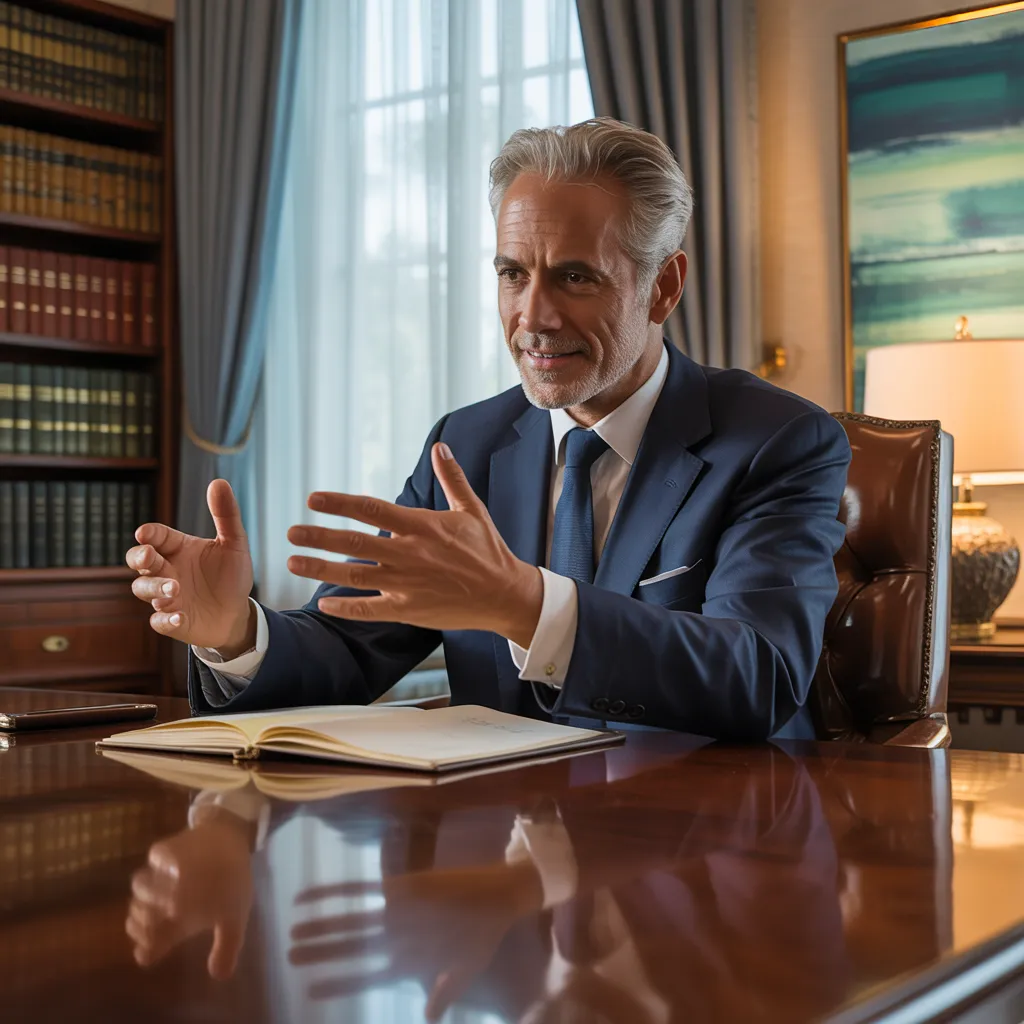
Common Estate Planning Challenges You Can't Risk to Ignore
Estate strategy offers several challenges that individuals must confront to ensure their intentions are upheld and family members are shielded. One vital challenge is the shortage of understanding pertaining to the complexities of estate laws, which can vary greatly by jurisdiction. This often causes to inadequate strategy or non-compliance with legal requirements. Moreover, individuals frequently contend with psychological impediments, such as broaching mortality or interpersonal relationships, which can obstruct transparent dialogue about estate matters.
A frequent issue is failing to regularly revise estate plans, causing outdated provisions that may not align with current circumstances or wishes. Furthermore, individuals may underestimate the potential tax consequences of their estates, causing unexpected financial burdens on heirs. Finally, many overlook the importance of designating appropriate guardians for dependents, which can cause uncertainty and conflict among find the facts family members. Addressing these challenges is essential for effective estate planning and guaranteeing peace of mind.
Vital Solutions Offered by Estate Attorneys for Strategic Planning
Estate attorneys offer a range of crucial services that facilitate effective estate planning. Key offerings include will drafting, trust establishment assistance, and guidance on estate taxes. These services help people navigate the complexities of estate management and ensure their wishes are honored.
Will Drafting Solutions
Navigating the intricacies of testament creation is an important step in effective legacy planning. Probate lawyers offer invaluable will drafting services that guarantee client intentions are clearly articulated and enforceable by law. These experts guide individuals through the complex statutory obligations, helping to avoid ambiguities that could result in disputes among beneficiaries. By evaluating particular holdings, familial relationships, and personal objectives, probate lawyers create tailored wills that represent the client's wishes. They also offer guidance on possible tax consequences and the significance of selecting suitable estate representatives. With knowledge of state legal requirements, probate lawyers play a vital role in creating thorough wills, ultimately offering reassurance to clients as they secure their legacies and safeguard their family members.
Trust Creation Support
Managing the complexities of trust establishment is a crucial element of comprehensive estate planning. Estate lawyers offer vital assistance in creating various types of trusts, customized to satisfy individual client needs. They guide clients through the choice process, guaranteeing the right type of trust—such as revocable, irrevocable, or special needs—is selected based on specific goals and circumstances. Moreover, attorneys help draft the trust documents, detailing the terms explicitly to avoid future disputes. They also assist in capitalizing the trust, ensuring assets are transferred correctly to avoid probate complications. By offering professional perspectives into legal requirements and implications, estate attorneys play a central role in creating trusts that protect assets and satisfy the grantor's wishes effectively.
Estate Tax Information
How can people navigate the challenges of property taxes efficiently? Estate attorneys are crucial contributors to this process, offering customized advice to minimize tax burden and guarantee compliance with legal requirements. They evaluate the financial status of clients, identifying likely tax consequences of properties and trust arrangements. By staying updated on existing tax legislation, property law specialists deliver tactical guidance, assisting individuals choose wisely about distribution of assets and donations to charity. They also assist in the completion and submission of necessary tax documents, lowering the risk of errors that could lead to fines. In the end, hiring a estate attorney for tax guidance can lead to significant savings and peace of mind, enabling people to concentrate on their heritage rather than tax concerns.
Finding the Perfect Estate Legal Professional
Identifying an appropriate property lawyer necessitates thoughtful analysis of various important considerations. Future individuals must examine the attorney's credentials and expertise, consider their style of interaction, and evaluate the pricing models. These factors are essential to creating a productive and positive professional relationship.
Evaluate Qualifications And Experience
When finding an estate attorney, reviewing their credentials and experience is essential to provide competent legal guidance. Prospective clients need to find attorneys with expert education in estate law, plus relevant certifications. Membership in professional organizations, such as the American Bar Association, can demonstrate a commitment to ethical standards and ongoing education. Also, several years of practice in estate planning and probate matters can deliver understanding of an attorney's expertise. It is valuable to evaluate their performance in similar cases, as practical experience often leads to better outcomes. By thoroughly evaluating these factors, individuals can make informed decisions, ensuring they choose an attorney capable of addressing their unique estate planning needs.
Determine Communication Style
prefer casual interactions or a relaxed style can greatly impact|substantially influence the client's sense of ease. In the end, selecting an attorney|picking an attorney whose way of communicating|approach to communication aligns with the client's preferences|client's expectations can improve the overall planning experience|comprehensive planning journey|lead to better results|superior conclusions.|Effective communication is essential in the bond between attorney and client, especially so in the planning of estates. An attorney's ability to convey complicated legal principles clearly and understandably is necessary for clients to make sound decisions. Prospective clients should assess whether the attorney truly hears to their concerns and reacts with care. A reactive attorney establishes trust and encourages open dialogue, which is paramount for bringing up delicate issues such as assets and family dynamics. Additionally, looking at the attorney's communication style can reveal their adaptability; whether they favor professional meetings or a more casual approach can heavily influence the client's comfort. Finally, hiring an attorney whose communication preference fits with the client's liking can enhance the planning experience overall and lead to more effective outcomes.
Evaluate Fee Structures
Clients must understand fee structures when seeking an estate attorney because it significantly affects their overall experience and financial planning. Attorneys can charge flat fees, hourly rates, or retainers, each with distinct implications. A flat fee offers consistency, helping clients budget properly. On the other hand, hourly rates may lead to unpredictable costs, depending on how complex the case is. Retainers require upfront payments but guarantee prioritized service. Clients should also inquire about additional costs, such as filing fees or administrative expenses. Transparency in fee structures builds trust and assists clients in making informed decisions. Ultimately, coordinating the fee structure with personal financial circumstances and legal needs is essential for a positive attorney-client relationship.
Frequent Estate Planning Blunders to Dodge
Planning an estate is a required step in ensuring that one's wishes are upheld after end of life, yet many individuals commit common blunders that can undermine their goals. One common mistake is failing to refresh wills and trusts after important life events, such as marriage, divorce, or the birth of a child. Furthermore, neglecting to designate beneficiaries on financial accounts can lead to unanticipated disbursements.
A typical mistake is disregarding tax effects, which can greatly change the estate's value. Many also undervalue the significance of including digital items in their plans, resulting in unclear matters regarding online accounts.
Furthermore, depending entirely on DIY documents without professional guidance can result in legal loopholes. Finally, many individuals fail to communicate their wishes with family members, leading to disputes and misunderstandings. Steering clear of these pitfalls is essential for effective estate planning, guaranteeing that one's legacy is preserved as intended.
Why Frequent Discussions With Your Estate Attorney Merit Consideration
How can periodic reviews with an estate attorney confirm that a person's wishes stay relevant with present situations? Frequent consultations enable individuals to reassess their estate plans in response to life changes, such as marriage, divorce, the birth of children, or shifts in financial status. These changes can profoundly affect how assets should be distributed and who should act as executors or guardians.
Moreover, rules and statutes addressing estate planning regularly develop. An counsel can furnish advisories on any legal changes that may impact an client's estate plan. Regular reviews also enable the occasion to consider tax ramifications and strategies for minimizing liabilities, confirming that the estate remains optimized for beneficiaries.
In the final analysis, consistent communication with an estate attorney fosters a proactive approach, allowing people to customize their plans effectively and secure their intentions, thereby confirming that their wishes are acknowledged when the time comes.
What to Prepare For in Your Initial Consultation With an Probate Attorney
When connecting with an estate attorney for the first time, clients can expect a formal meeting that creates the basis for their estate planning needs. The attorney will usually begin by obtaining essential information about the client's monetary circumstances, family structure, and specific goals. This initial evaluation helps pinpoint priorities and any potential complexities in the estate plan.
Clients may be inquired about existing wills, trusts, or other legal documents, as well as their preferences for asset distribution and guardianship arrangements. The attorney will also explain various estate planning tools, such as wills, trusts, and powers of attorney, sharing insight into how each can serve the client's goals.
To summarize, clients should expect a conversation regarding future directions, including projected dates and financial requirements, ensuring they depart the gathering with a clear understanding of the estate planning system and what is mandated moving forward.
Popular Posed Questions
What Is the Typical Cost of Engaging an Estate Counsel?
Hiring an property lawyer usually ranges between $150 to $500 per hour, based on experience and location. Flat fees for specific services may vary between $1,000 to $3,000, varying based on complexity and client needs.
Can I Draft My Own Estate Plan Without an Attorney?
Yes, an person can create their own will and testament without an attorney. However, doing so may result in possible issues, confusion, or court disputes, emphasizing the significance of comprehensive understanding and careful documentation in the process.
What Documents Do I Need to Bring to My First Session?
During the first meeting, you should carry proper ID, details of assets and liabilities, existing legal trusts or wills, heir information, and any applicable advance healthcare directives. This groundwork facilitates a thorough dialogue regarding estate planning needs.
How Consistent Should Modifications to My Estate Planning Documents Occur?
It's important to revise estate plans every three to five years or following significant life events, such as marriage, divorce, birth of a child, or significant alterations in assets, so that they accurately reflect current wishes and circumstances.
What Transpires if I Perish Without a Estate Plan?
When an individual dies intestate, state laws determine the allocation of assets, commonly resulting in probate. This procedure might lead to unexpected heirs, likely conflicts among family members, and delays in settling the late person's assets.